From Assessment to Cleanup: Typical Duration of Tree Removal in Vancouver Explained
Tree removal timeline — Vancouver

At Silverback Treeworks we know tree removal keeps yards safe and neighbourhoods tidy. Knowing how long the job will take helps homeowners and property managers plan around deliveries, parking, and landscaping. Below we walk through the stages of a typical Vancouver tree removal, what affects timing, and why a professional assessment matters. By the end you’ll have a practical sense of what to expect—from the first visit to final cleanup.
How long does the tree removal process take in Vancouver?
Timing varies. The physical removal and cleanup often take anywhere from a few hours to a full day, depending on the tree. But the whole process — assessment, permits (if needed), scheduling, the actual work and final cleanup — can stretch from a few days to a couple of weeks, especially when permits or tight scheduling are involved.
What are the key stages in the tree removal timeline?
A typical tree removal follows three clear stages:
- Assessment Stage : A certified arborist inspects the tree, checks for hazards, and recommends the safest removal method.
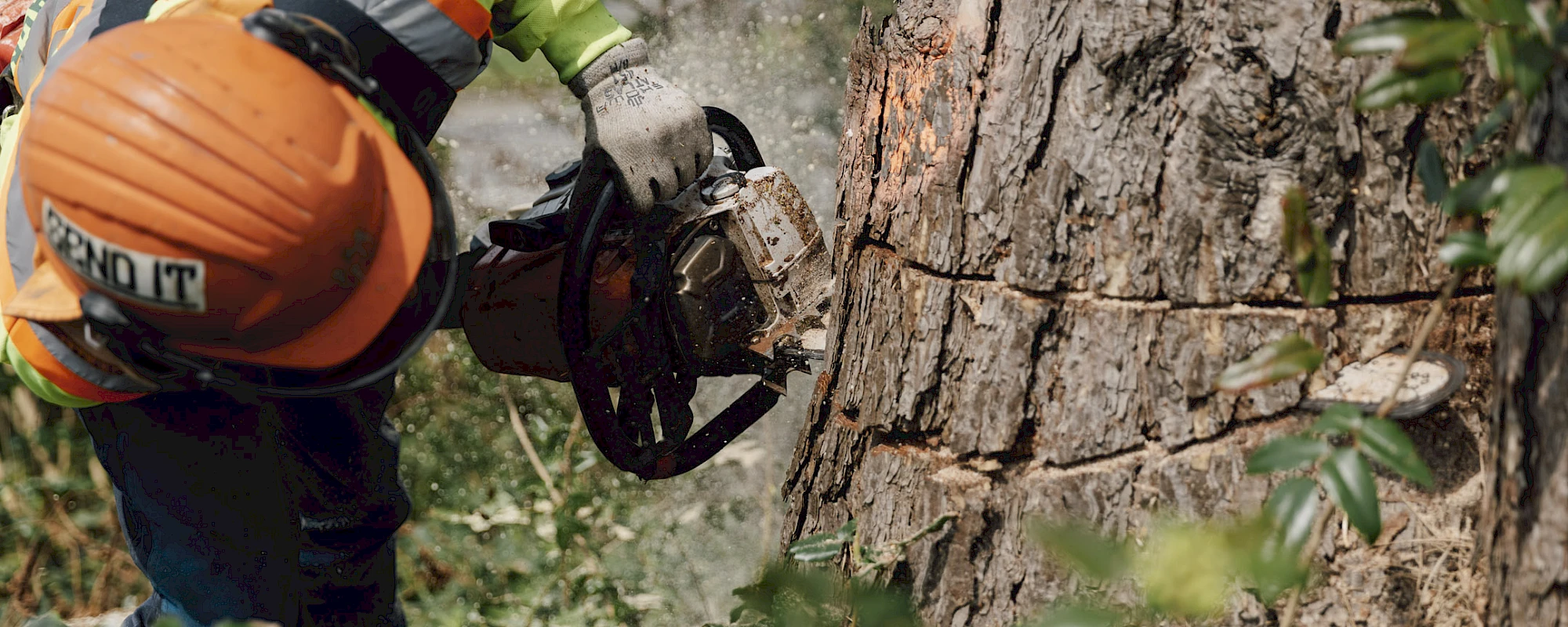
- Execution Stage : The crew cuts, rigging and removes the tree in sections, using equipment suited to the size and location.
- Cleanup Stage : We clear branches and wood, grind the stump if requested, and leave the site tidy for your next steps.
Knowing these stages makes it easier to plan time, access and post‑removal landscaping.
How do tree size and location affect removal duration?
Two big drivers of time are size and placement. Large trees need more rigging, extra crew and heavier equipment, which adds hours. Trees in tight yards or right next to buildings need careful, slower work to protect structures — and that precision takes time.
What happens during the tree removal assessment and planning?
Assessment and planning set the job up for success. During this phase an arborist inspects the tree’s health, checks surrounding hazards and maps out how the crew will remove it safely.
How do certified arborists evaluate tree removal needs?
Arborists follow a methodical checklist: tree health, structural defects, lean, root issues and proximity to buildings or power lines. Their experience helps them choose techniques that reduce risk and speed up the work without cutting corners.
A consistent, systematic approach to tree risk assessment is what keeps people and property safe.
Systematic Tree Risk Assessment & Management Methods
When a tree fails it can damage property, disrupt services or threaten safety. Around the world, qualitative methods have been developed to make tree risk assessment consistent and useful. How those methods are applied depends on the value placed on the tree, the potential targets nearby, and the risk tolerance of both the evaluator and the owner.
Risk assessment and risk perception of trees: A review of literature relating to arboriculture and urban forestry, RW Klein, 2019
What factors influence the planning and scheduling of tree removal?
Several practical factors shape when and how a removal happens:
- Weather conditions : Rain, high wind or icy conditions can delay work — safety first.
- Local regulations and permits : Vancouver requires permits to remove trees on private property that are 20 cm (7.9 inches) or greater in diameter at breast height (DBH). Permit timelines can affect scheduling.
- Client availability : We coordinate with your schedule for access, traffic control and any on‑site decisions.
Taking these into account helps the crew work efficiently and stay compliant with local rules.
Safety measures and permits for tree removal in Vancouver
Safety guides every decision on a job — for workers, neighbours and your property. Knowing permit requirements and safety standards ahead of time avoids surprises.
Do you need a permit for tree removal in Vancouver?
In Vancouver, a permit is required to remove most trees on private property that are 20 cm (7.9 inches) or greater in diameter at breast height (DBH). Trees on public land or protected species also need permits. Check with the City of Vancouver’s Urban Forestry Division to confirm requirements for your property. For more information about tree-related services in the area, visit trusted tree removal services in Vancouver.
What safety standards guide professional tree removal services?
Professional crews follow strict safety protocols: certified PPE, well‑maintained equipment, and industry best practices such as those from the International Society of Arboriculture (ISA) and WorkSafeBC. Following these standards reduces accident risk and keeps the job running smoothly.
What does cleanup and post‑removal care include?
Cleanup and aftercare are part of a professional removal — they leave the site safe and ready for whatever you want next.
How is site cleanup and stump grinding performed after tree removal?
Cleanup typically covers a few standard steps: tree services
- Debris removal : Branches, leaves and cut wood are collected and hauled away or stacked for pickup.
- Stump grinding : Stumps can be ground below ground level to prevent regrowth and make the area usable again.
- Site restoration : The ground can be leveled and prepped for new planting, lawn or hardscaping.
A tidy site reduces hazards and makes follow‑up landscaping easier.
Why is cleanup included in professional tree removal services?
Cleanup is standard because it protects your property and neighbourhood while preserving the health of nearby plants.
- Aesthetic appeal : A cleared site looks cared for and ready for whatever comes next.
- Safety considerations : Removing debris lowers the chance of trips, pests or further damage.
- Environmental impact : Proper disposal and stump management help prevent disease and pest spread.
That’s why experienced teams include cleanup in their quotes.
How can you request a tree removal quote in Vancouver?
Getting a quote is straightforward and helps you budget the job with confidence.
What information is needed to get an accurate tree removal estimate?
To give a fair, accurate estimate, provide:
- Details about the tree : Size, species and condition.
- Property information : Where the tree sits and what’s nearby (houses, fences, power lines).
- Contact information : Phone or email for follow‑up and scheduling.
That information lets crews assess risk and equipment needs so they can give a precise quote.
How does Silverback Treeworks ensure customer satisfaction during the process?
We focus on clear communication, reliable estimates and work done to a high standard. From the first site visit to final cleanup, we keep you informed and make sure the job meets your expectations.
Frequently asked questions
What types of trees require special consideration during removal?
Some species—especially protected or high‑value trees—need extra care. In Vancouver, trees 20 cm (7.9 inches) DBH or larger commonly require permits. Trees close to power lines, homes or sensitive habitat also need specialized planning to remove safely and legally. tree removal services
How can homeowners prepare for a tree removal service?
Clear the area around the tree of vehicles, garden furniture and decorations. Let neighbours know when work is scheduled, and keep kids and pets away from the work zone. These small steps speed up the job and improve safety.
What are the potential costs associated with tree removal in Vancouver?
Costs vary with tree size, location and complexity. Expect a range from a few hundred to several thousand dollars. Extras such as stump grinding, debris hauling and permits can add to the total. Getting multiple quotes from certified arborists helps ensure a fair price.
What should you do if a tree falls unexpectedly?
First, make sure everyone is safe and keep a clear distance from the tree. If the fallen tree has damaged property or creates a hazard, contact emergency services or a professional tree removal company right away. Take photos for insurance and let the pros handle removal and cleanup.
Are there any environmental benefits to tree removal?
When done responsibly, removal can be beneficial: taking out dead or diseased trees prevents pests and disease from spreading and can protect nearby healthy plants. Removing hazardous trees also keeps property and people safe while allowing room for new, healthier growth.
How often should trees be assessed for health and safety?
An annual check by a certified arborist is a good rule of thumb, especially in urban settings. Inspections after storms or heavy snow are also wise—extreme weather can weaken trees and create sudden risks.
Conclusion
Understanding the typical steps and timing for tree removal in Vancouver helps you plan and avoid surprises. Prioritizing professional assessments, safety protocols and thorough cleanup leads to a smoother experience. If you’re considering removal, contact a certified arborist for a tailored quote — and if you’d like, reach out to Silverback Treeworks to discuss your property and next steps.